|



 08045479709
 Send Inquiry
Statograph Cm+/cm - Eddy Current For Crack Testing
MOQ : 1 Unit
Statograph Cm+/cm - Eddy Current For Crack Testing Specification
- Product Type
- Statograph Cm+/cm - Eddy Current For Crack Testing
- Power Supply
- Electric
- Voltage
- 220 Volt (v)
- Application
- Industrial
- Usage
- Industrial
- Operating Voltage
- 220 Volt (V)
- Material
- Metal
- Color
- Black
Statograph Cm+/cm - Eddy Current For Crack Testing Trade Information
- Minimum Order Quantity
- 1 Unit
- Supply Ability
- 10 Units Per Day
- Delivery Time
- 7 Days
Statograph Cm+/cm - Eddy Current For Crack Testing About
Compact and robust, the STATOGRAPH CM+ / CM consists of powerful hardware and software toguarantee reliable inspections. Both STATOGRAPH modules are network-compatible and can thus beoperated via a tablet or smartphone. Production line status can therefore be checked anytime andanywhere, meaning that immediate corrective action can be taken if necessary. Test parameters and othersettings can be captured and adjusted on the fly.The STATOGRAPH CM+ also has a touch screen for use directly in the line.
On the STATOGRAPH CM, a multi-color LED tells the device status with a quick glance into the control cabinet.
SENSOR TECHNOLOGY:
All existing probes can be connected as usual to the new STATOGRAPH CM+ / CM modules. A broad portfolio of standard and special-purpose probes is available. This means that, with FOERSTER, youre optimally prepared for any challenge.
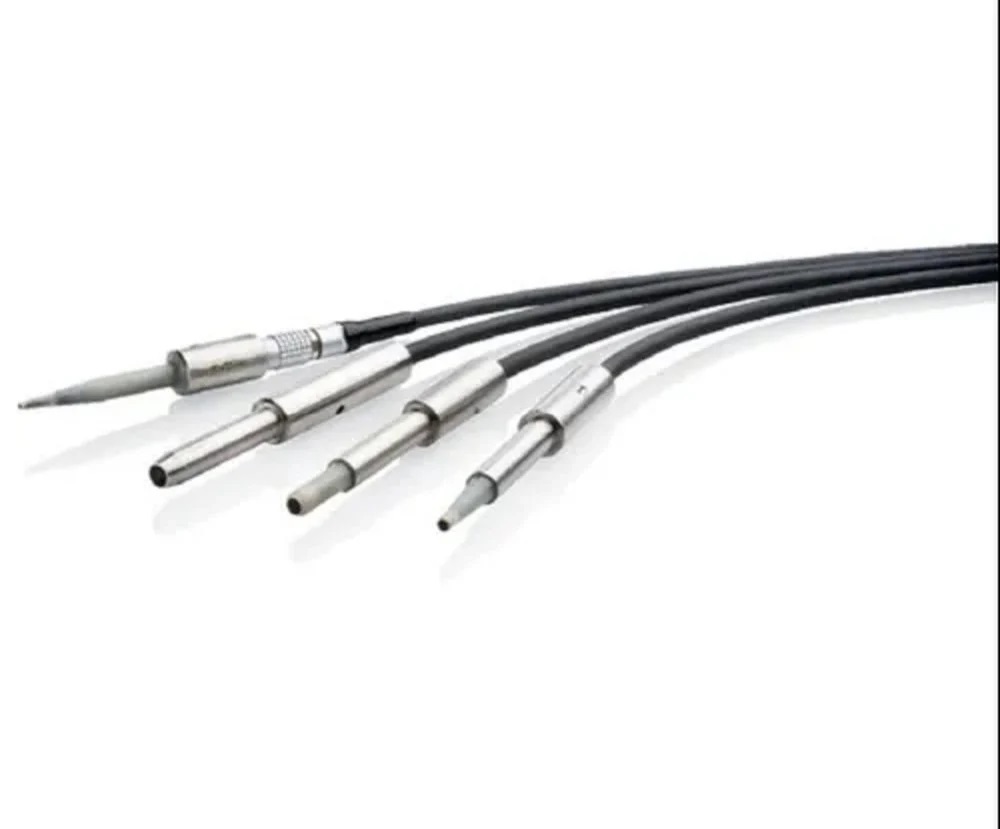
Standard probes:For crack testing on components, stationary differential-eddy-current probes are usually installed directly in the test station. These have a very high test sensitivity and generate reproducible test results.
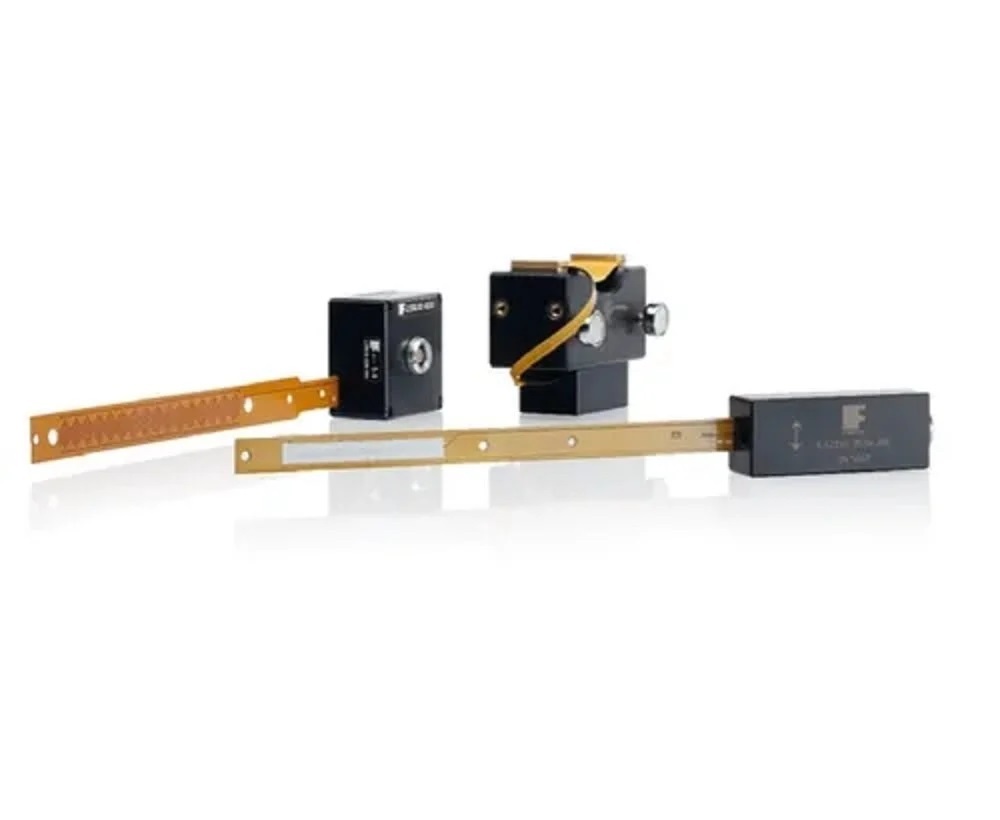
Special probes:Components with complex geometries require special test solutions. For this reason, FOERSTERs probe portfolio includes, among others, angled sensors and its FLEXPROBES, which are flexible probes that can be adapted to the unique geometry of the test piece.
In addition, we can also develop customer-specific probes for high-resolution testing.
Efficient Crack Detection
The Statograph Cm+/cm uses sophisticated eddy current technology, enabling rapid identification of cracks and flaws in metallic materials. It is suitable for industrial settings where dependability and accuracy are paramount, easing the inspection process for metal parts.
Designed for Industrial Use
Manufactured for heavy-duty industrial applications, this black-finished device handles rigorous tasks with ease. Its 220 Volt electric power requirements ensure compatibility with standard industrial electrical systems in Germany and beyond.
Versatile Applications
This crack testing equipment serves exporters, manufacturers, suppliers, and traders, offering flexibility across diverse metalworking industries. Its non-destructive evaluation process is essential for maintaining product quality and safety standards.
FAQs of Statograph Cm+/cm - Eddy Current For Crack Testing:
Q: How does the Statograph Cm+/cm detect cracks in metal components?
A: The Statograph Cm+/cm uses eddy current technology, which induces electrical currents into the metal surface. Any disruptions, such as cracks or other flaws, cause detectable changes in the flow, allowing for precise identification and location of defects.Q: What types of materials can this crack testing system evaluate?
A: This device is specifically designed for testing metal materials, making it ideal for industries working with a variety of ferrous and non-ferrous metal parts.Q: Where is the Statograph Cm+/cm commonly used in an industrial setting?
A: It is commonly used in metal fabrication shops, manufacturing plants, and inspection lines where quality assurance of metal parts is critical, especially among exporters, manufacturers, suppliers, and traders.Q: What is the standard operating voltage for the Statograph Cm+/cm?
A: The device operates at 220 Volts, ensuring straightforward integration into existing German and European industrial electrical systems.Q: How does the inspection process work with this equipment?
A: The user positions the sensor on or near the metal surface. Eddy currents are generated and monitored in real-time. Abnormalities in the metal, such as cracks, alter the current pattern, which the device detects and displays for evaluation.Q: What are the key benefits of using the Statograph Cm+/cm for crack testing?
A: Key benefits include high detection sensitivity, rapid non-destructive evaluation, minimal downtime, and enhanced reliability in identifying even minute cracks before they become critical issues.Q: When should I use this crack testing device in my production cycle?
A: It is most effective when used as part of a regular quality control processbefore shipment or after critical production stepsto ensure component integrity and prevent future product failures.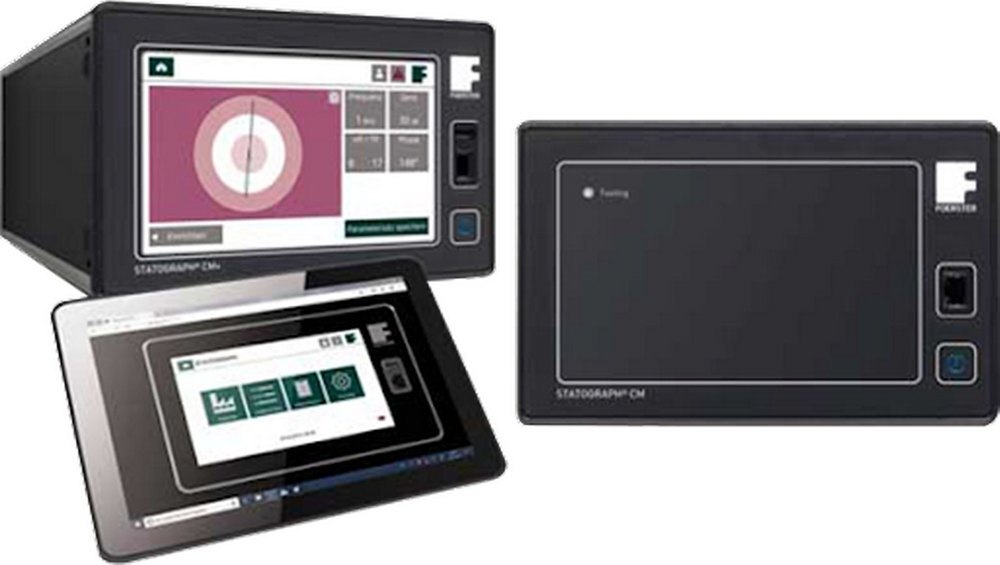
Tell us about your requirement

Price:
Quantity
Select Unit
- 50
- 100
- 200
- 250
- 500
- 1000+
Additional detail
Mobile number
Email

More Products in Eddy Current Component Testing Machine Category
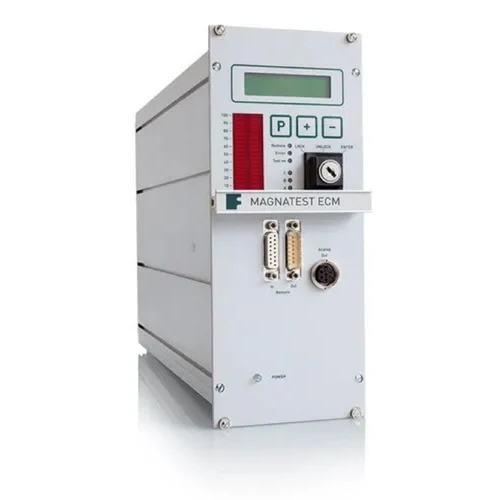
Magnatest ECM - Eddy Current Material Mix Up Test Instrument
Minimum Order Quantity : 1 Unit
Product Type : Magnatest ECM Eddy Current Material Mix Up Test Instrument
Usage : Industrial
Color : White
Application : Detection of alloy mixups, material sorting
Power Supply : 100240 V AC, 50/60 Hz
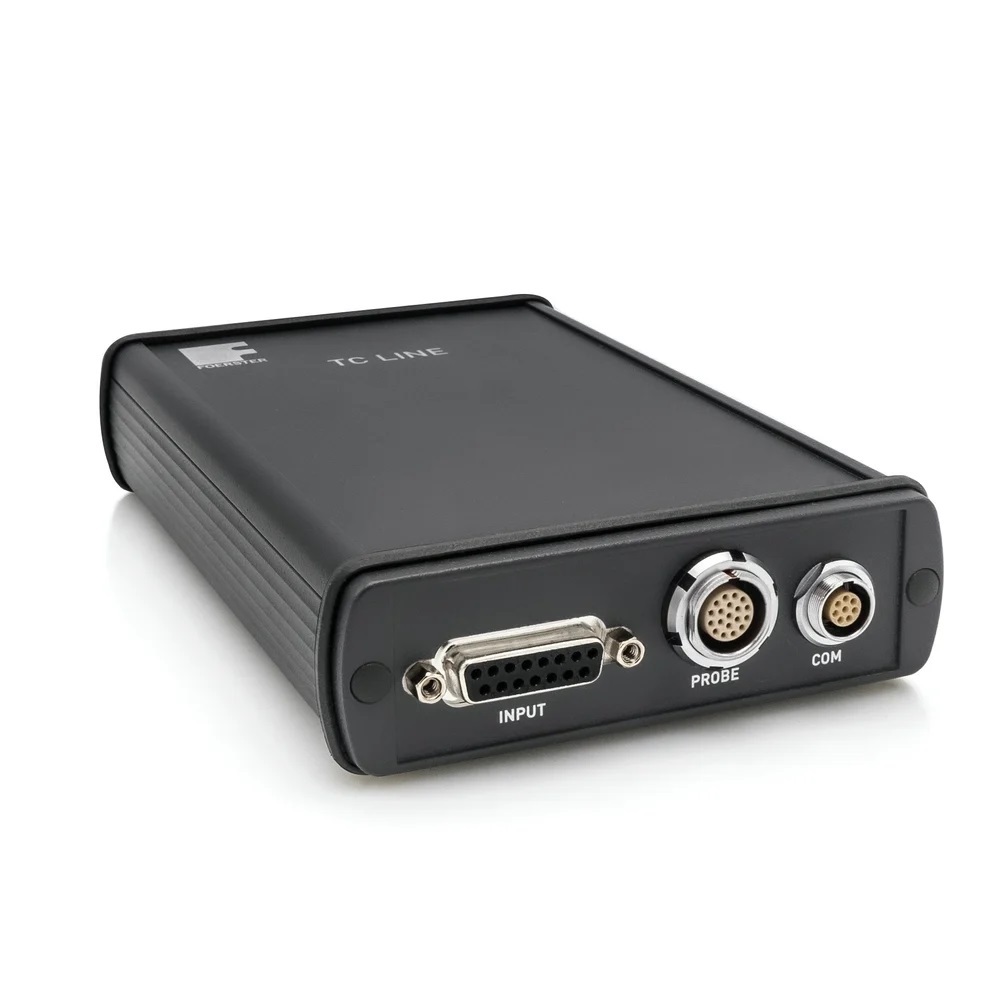
Magnatest TCL - Eddy Current Hardness Sorting
Minimum Order Quantity : 1 Unit
Product Type : Magnatest TCL Eddy Current Hardness Sorting
Usage : Industrial
Color : Black
Application : Industrial
Power Supply : 24 V, 1250 mA (AC adapter optional)

Magnatest D - Eddy Current Hardness Sorting
Minimum Order Quantity : 1 Unit
Product Type : Magnatest D Eddy Current Hardness Sorting
Usage : Industrial
Color : Black
Application : Industrial
Power Supply : Electric
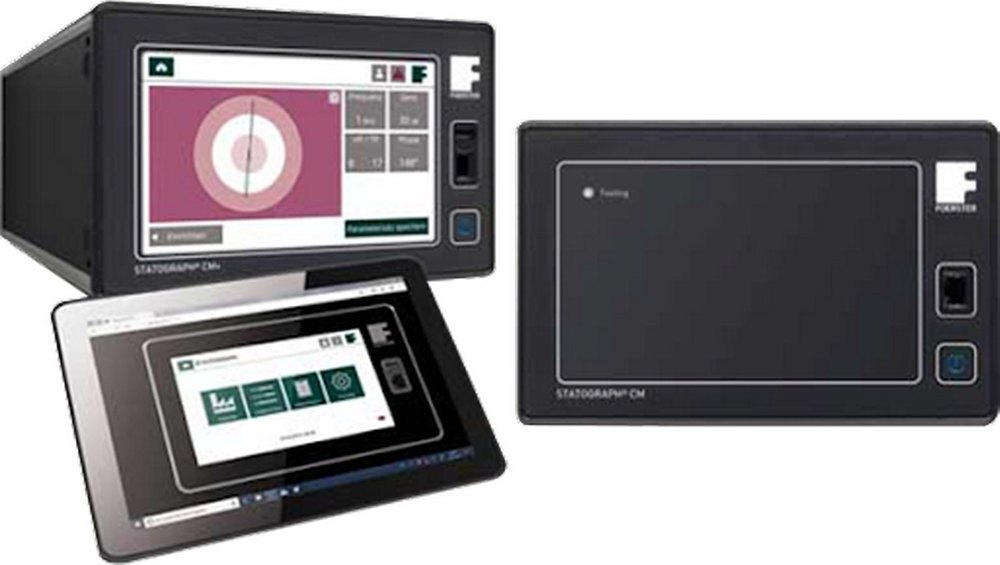
Eddy Current For Surface Defects - Statograph Cm+/cm
Minimum Order Quantity : 1 Unit
Product Type : Eddy Current For Surface Defects Statograph Cm+/cm
Usage : Industrial
Color : Black
Application : Industrial
Power Supply : Electric

Our Export Countries:
|
Abudabi, UAE Algeria Angola Argentina Armenia Australia Azerbaijan Bahrain Bangladesh Belarus Belgium Bhutan Brazil Bulgaria Cambodia Canada Chile China Croatia Dubai UAE Egypt Ethiopia France Fuji islands Germany Ghana Greece Hong Kong Indonesia Iran Iraq Israel Italy Japan Jordan Kazakhstan Kenya Korea Kuwait UAE Lebanon Libya Macao |
Malaysia Maldives Malta Mexico Mongolia Morocco Muscat Myanmar Nepal Netherlands New Zealand Nigeria Oman Pakistan Philippines Poland Portugal Qatar Romania Russia Saudi Arabia Singapore Slovenia South Africa Spain Sri Lanka Sudan Switzerland Taiwan Tanzania Texas Thailand Tunisia Turkey Uganda Ukraine United kingdom Uruguay USA Vietnam Yemen Zimbabwe |
Contact Details

- EEC House, C-7, Dalia Industrial Estate, Off New Link Road, Andheri (West),Mumbai - 400053, Maharashtra, India

- Phone : 08045479709
- Send Inquiry
 Send Inquiry
- Mr Swaminand Singh (Manager-Sales )
- Mobile : 08045479709
Useful Links

|
 |
ELECTRONIC & ENGINEERING CO. (I) P. LTD.
All Rights Reserved.(Terms of Use) Developed and Managed by Infocom Network Private Limited. |
