|



 08045479709
 Send Inquiry
Sono l - hardness Leeb Rebound Sensors
MOQ : 1 Unit
Sono l - hardness Leeb Rebound Sensors Specification
- Power Supply
- Manual
- Product Type
- Sono l - hardness Leeb Rebound Sensors
- Temperature
- 50 Celsius (oC)
- Usage
- Industrial
- Material
- Metal
- Color
- Blue
Sono l - hardness Leeb Rebound Sensors Trade Information
- Minimum Order Quantity
- 1 Unit
- Supply Ability
- 100 Units Per Day
- Delivery Time
- 7 Days
Sono l - hardness Leeb Rebound Sensors About
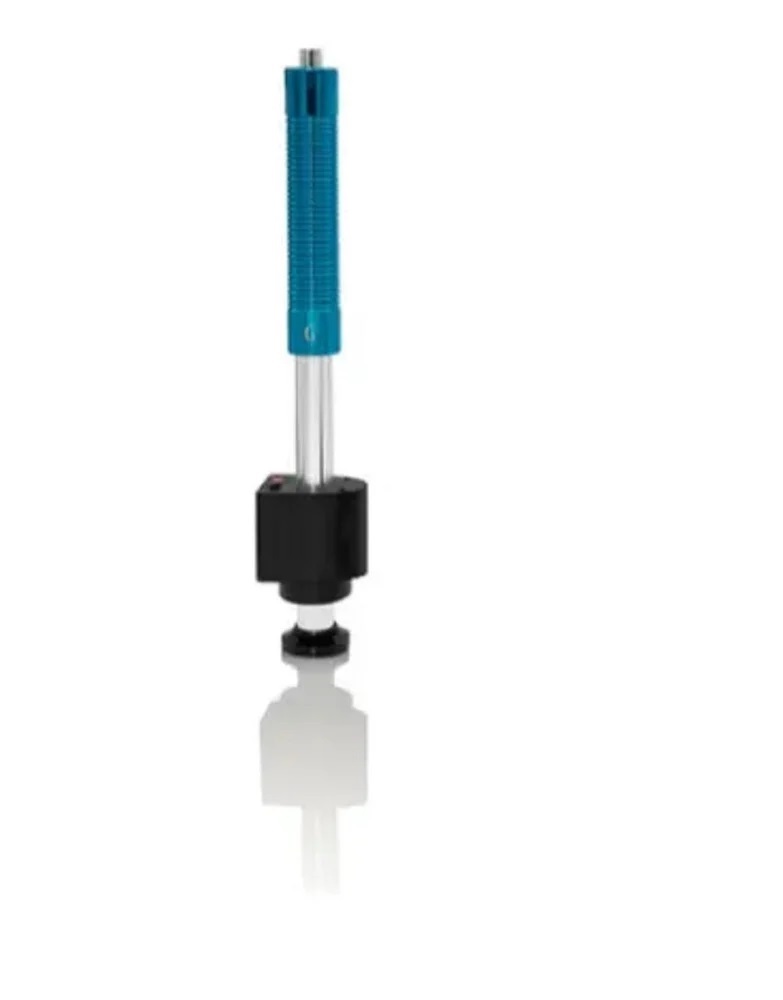
SONO LLeeb rebound sensors
Latest sensor technology for optimal measurement results
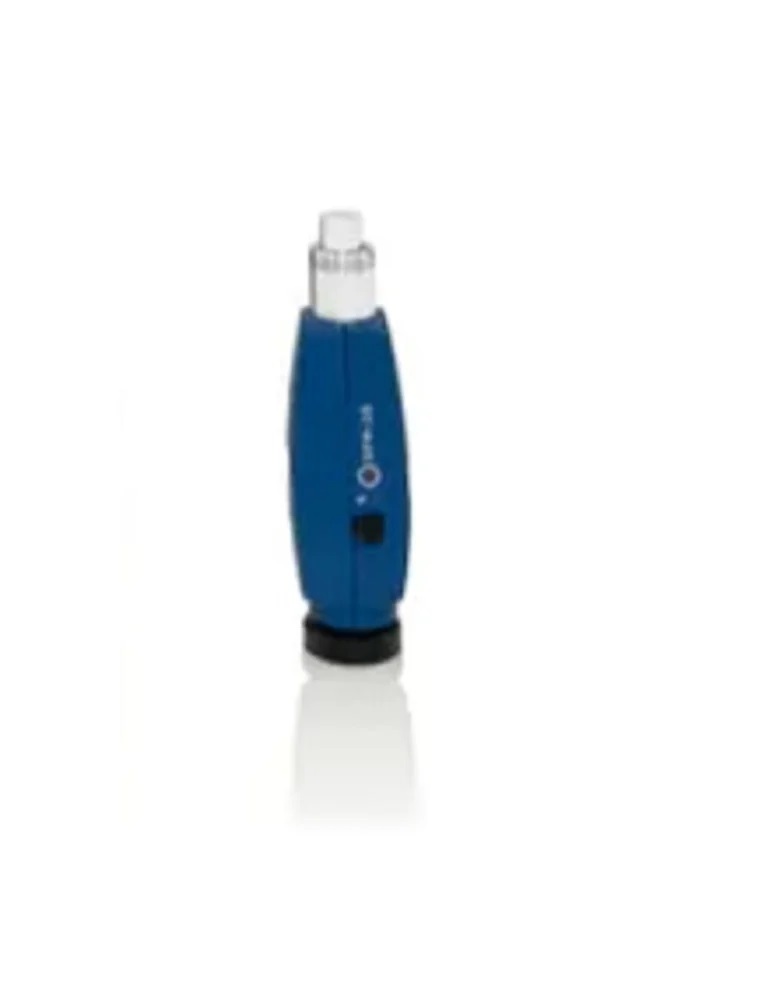
Due to the stable design, our Leeb rebound sensors are ideally suited for everyday use on massive components in the industrial work environments. The "2-in-1 concept" enables the parallel use of Leeb rebound sensors and UCI (Ultrasonic Contact Impedance) measuring probes with the SONODUR 3 device.
The measured values are evaluated via an app based on the future-proof Android software platform. All information is visible at a glance. The measured values are statistically summarized and individually displayed in result lists as well as by means of graphical representation and tolerance thresholds in a user-friendly manner. The measured values can be exported for further data processing.
The operating principle of the Leeb rebound method consists of accelerating an impact body, at the front end of which is a hard metal ball, with a defined energy against the surface of the material to be measured. The impact of the hard metal ball causes a deformation of the surface, which leads to a loss of acceleration energy. This energy loss is determined by measuring the velocity and from this a hardness value is calculated in Leeb.
Areas of application are large, solid test parts with a minimum component weight requirement of 5 kg and a minimum thickness greater than 25 mm (SONO HLD).
Your advantages at a glance:
2-in-1 concept: Rebound hardness measurement and UCI
(Ultrasonic Contact Impedance)
- Each SONODUR 3 can be easily retrofitted (SONODUR L App)
Calibration almost identical to UCI:
- Calculation of the Vickers hardness HV from the L-value
(LD and LG acc. to ISO 16859)
- Conversion to other hardness scales or tensile strength acc. to EN ISO 18265-2019,
ASTM-E 140-2019, EPRI correlation-P91-2020 (HV5/HV10 with HB) and others
Easy Handling: Immediate readiness for measurement, wireless transmission of measured values via bluetooth connection to SONODUR 3 - allows maximum flexibility and freedom in positioning the sensor on the component
Simple measured value adjustment possible through comparative measurement on alloys with different E-modulus analogous to UCI testing: adaptation of the Leeb number (HL) for complex systems such as cast iron (E-modulus 80 - 180 GPa), aluminium alloys with high silicon content (65 - 105 GPa), various non-ferrous metal alloys, etc.
Precision Hardness Testing in Industrial Environments
The Sono l Hardness Leeb Rebound Sensor offers top-tier accuracy for inspecting and monitoring metallic materials. Built from robust metal and engineered to function optimally at temperatures up to 50C, it ensures reliable results in demanding settings. Its design and manual power supply cater to versatile field usage, letting operators maintain high productivity during quality control procedures. Trusted by professionals, this blue-finished sensor boosts efficiency in industrial material testing.
German Engineering for Long-Lasting Performance
Manufactured in Germany, this Leeb Rebound Hardness Sensor embodies precision engineering and durability. The devices metal construction and efficient rebound mechanism make it a preferred option for exporters, manufacturers, suppliers, and traders who demand consistent performance. Its compatibility with industrial-grade usage makes it exceptionally reliable, ensuring consistent quality and supporting various industries operational needs.
FAQs of Sono l - hardness Leeb Rebound Sensors:
Q: How does the Sono l - Hardness Leeb Rebound Sensor function in industrial settings?
A: The sensor measures the hardness of metallic surfaces by employing the Leeb rebound method, which involves impacting the tested material and recording the velocity of the rebound for accurate results. Its manual power supply and resilient metal body make it suitable for frequent use in industrial environments.Q: What advantages does the manual power supply offer for this sensor during industrial inspections?
A: A manual power supply reduces dependency on external electrical sources, ensuring uninterrupted operation in remote or on-site industrial locations. This design also minimizes maintenance needs, making the sensor highly reliable and easy to use.Q: When should the Sono l - Hardness Leeb Rebound Sensor be used for material testing?
A: This sensor is best used when precise, portable hardness testing of metals is required, particularly in quality assurance checks, production monitoring, and verification tasks in manufacturing and heavy industry.Q: Where is the Sono l - Hardness Leeb Rebound Sensor manufactured and supplied from?
A: The sensor is produced in Germany and is distributed globally through a network of exporters, manufacturers, suppliers, and traders, ensuring wide availability for industrial users.Q: What is the process for operating this hardness sensor in the field?
A: To operate, simply position the sensor on the metal surface, trigger the impact manually, and read the resulting hardness value from the rebound measurement. Its ergonomic design and manual operation make it straightforward even for field technicians.Q: How does the device withstand challenging industrial conditions?
A: Constructed from robust metal and engineered to perform at temperatures up to 50C, the Sono l sensor is built to endure harsh industrial environments while delivering consistent, accurate results.Q: What are the primary benefits of using this sensor for metal hardness testing?
A: Users benefit from precise, repeatable measurements, ease of use, and operational flexibility due to its self-powered design and durable German engineering, which together support elevated quality control standards in industrial processes.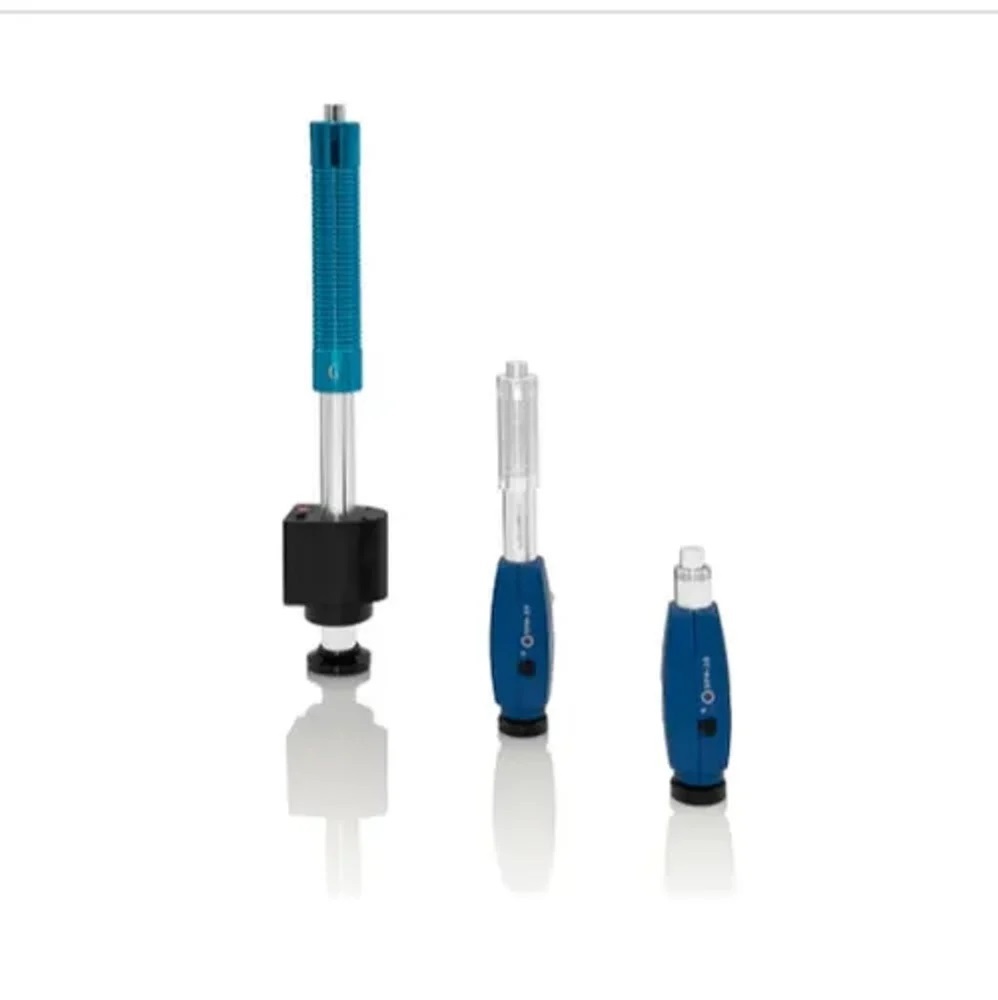
Tell us about your requirement

Price:
Quantity
Select Unit
- 50
- 100
- 200
- 250
- 500
- 1000+
Additional detail
Mobile number
Email

More Products in Hardness Tester Category
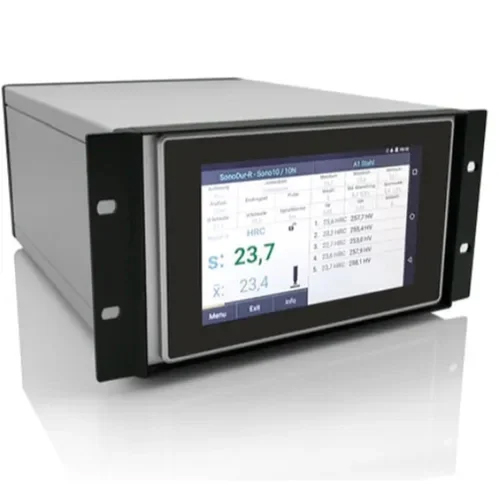
SONODUR R - Automated UCI Hardness Testing For Production Lines
Minimum Order Quantity : 1 Unit
Usage : Industrial
Power Supply : 100240 V AC, 50/60 Hz
Color : White
Product Type : SONODUR R Automated UCI Hardness Testing For Production Lines
Display Type : Integrated industrial touchscreen display
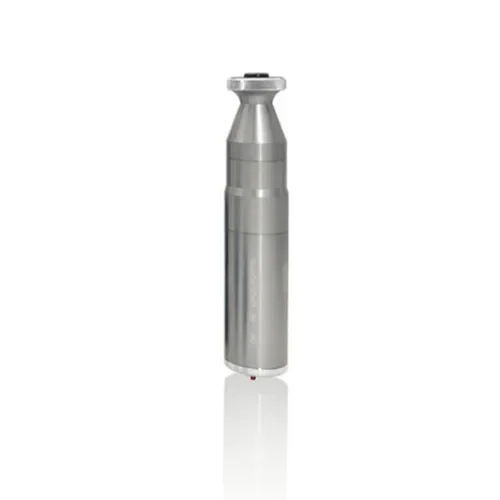
Sono M - Motorised UCI Hardness Measurement Probes
Minimum Order Quantity : 1 Unit
Usage : Industrial
Power Supply : Rechargeable Liion Battery / USB Supply
Color : Silver
Product Type : Sono M Motorised UCI Hardness Measurement Probes
Display Type : LCD Digital Display
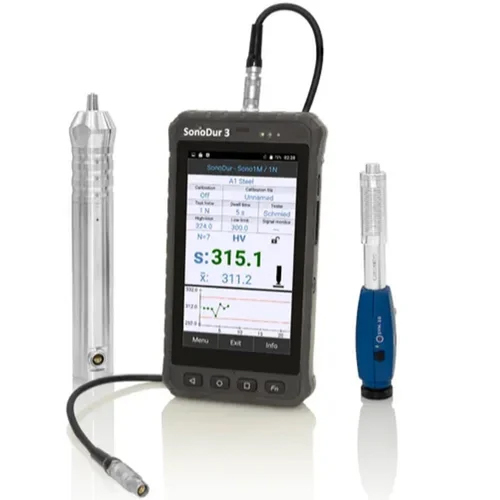
Sonodur 3 Ultrasonic And Leeb Portable Hardness Tester
Minimum Order Quantity : 1 Unit
Usage : Industrial
Power Supply : Rechargeable LiIon battery / Mains 100240V AC 50/60Hz
Color : Black
Product Type : Sonodur 3 Ultrasonic And Leeb Portable Hardness Tester
Display Type : 5 color TFT touchscreen
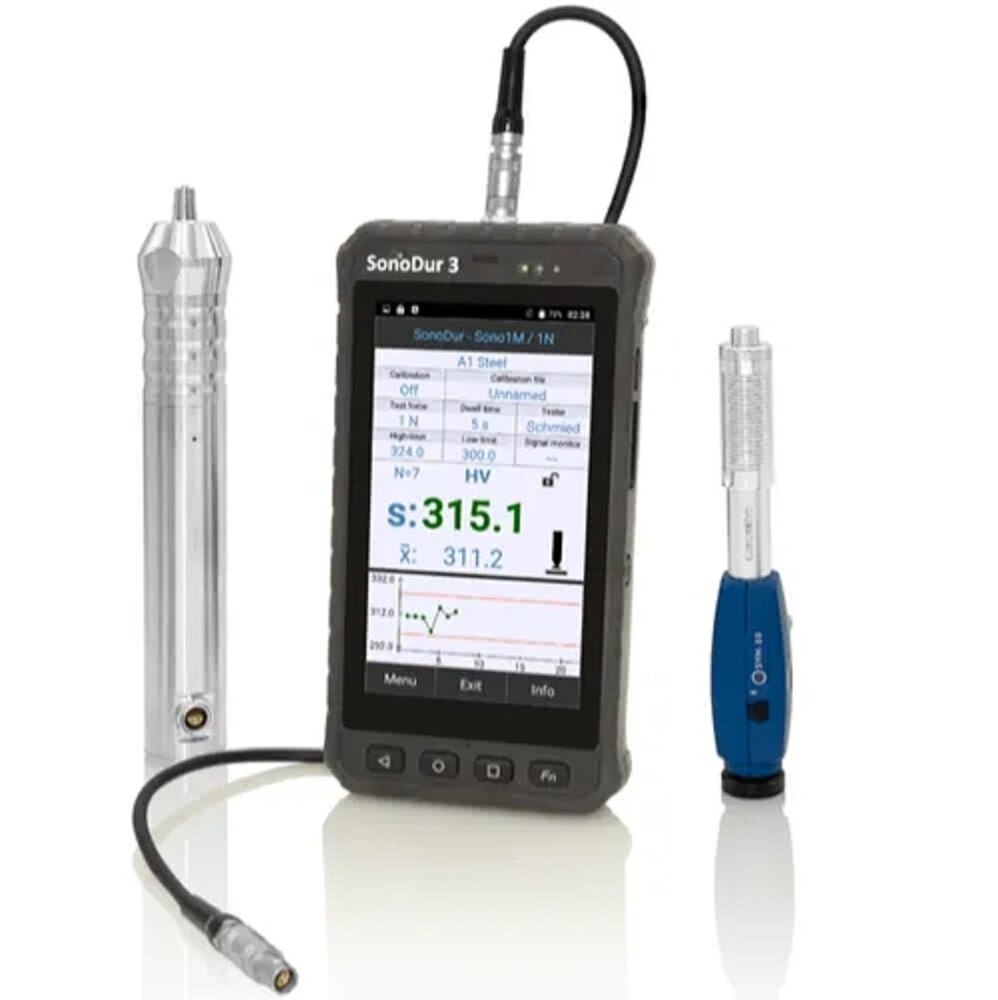
Sonodur 3 Hardness Testing Machine
Minimum Order Quantity : 1 Unit
Usage : Industrial
Power Supply : Electric
Color : Black
Product Type : Sonodur 3 Hardness Testing Machine
Display Type : Digital

Our Export Countries:
|
Abudabi, UAE Algeria Angola Argentina Armenia Australia Azerbaijan Bahrain Bangladesh Belarus Belgium Bhutan Brazil Bulgaria Cambodia Canada Chile China Croatia Dubai UAE Egypt Ethiopia France Fuji islands Germany Ghana Greece Hong Kong Indonesia Iran Iraq Israel Italy Japan Jordan Kazakhstan Kenya Korea Kuwait UAE Lebanon Libya Macao |
Malaysia Maldives Malta Mexico Mongolia Morocco Muscat Myanmar Nepal Netherlands New Zealand Nigeria Oman Pakistan Philippines Poland Portugal Qatar Romania Russia Saudi Arabia Singapore Slovenia South Africa Spain Sri Lanka Sudan Switzerland Taiwan Tanzania Texas Thailand Tunisia Turkey Uganda Ukraine United kingdom Uruguay USA Vietnam Yemen Zimbabwe |
Contact Details

- EEC House, C-7, Dalia Industrial Estate, Off New Link Road, Andheri (West),Mumbai - 400053, Maharashtra, India

- Phone : 08045479709
- Send Inquiry
 Send Inquiry
- Mr Swaminand Singh (Manager-Sales )
- Mobile : 08045479709
Useful Links

|
 |
ELECTRONIC & ENGINEERING CO. (I) P. LTD.
All Rights Reserved.(Terms of Use) Developed and Managed by Infocom Network Private Limited. |
