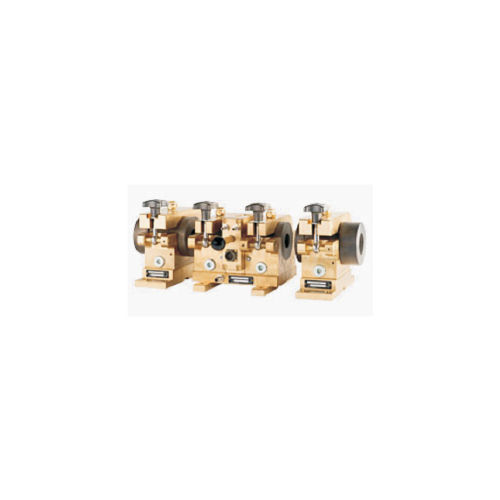
About वà¥à¤²à¥à¤¡ सà¥à¤® à¤à¥ परà¥à¤à¥à¤·à¤£ à¤à¥ लिठसà¥à¤à¤¸à¤° सिसà¥à¤à¤®
The
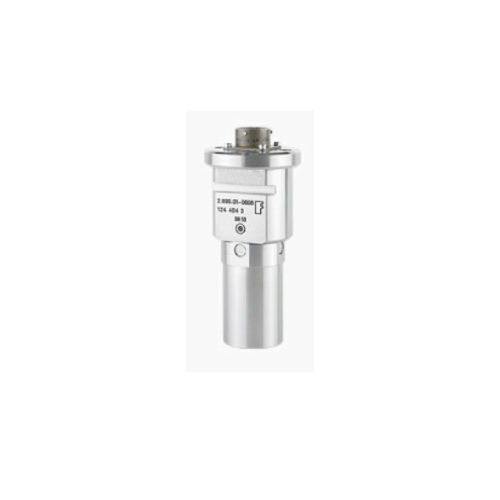
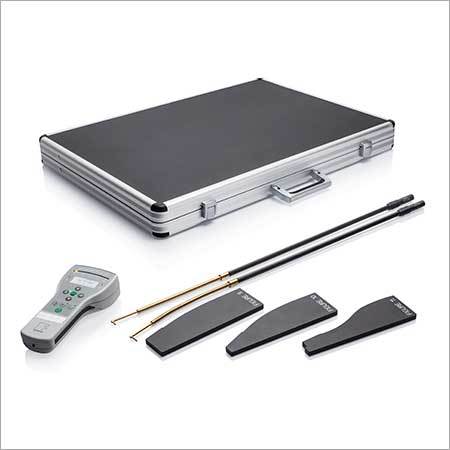
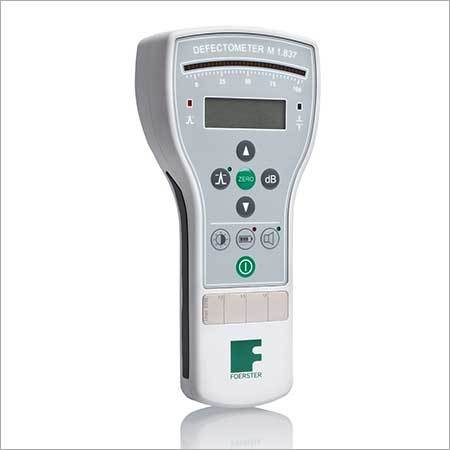
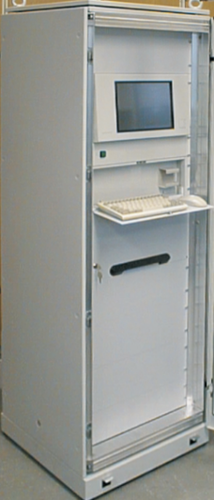
Sensor System For Testing Of The Weld Seam is solution to all of our clients tubes testing requirements. Its compact size requires a lesser space and makes it easier for the system to integrate every welding line. The sensor system can work with full efficiency even a high temperature of up to 1200
oC. The Sensor System For Testing Of The Weld Seam does not require any sort of magnetization in its durable operational service. It is appreciated by our clients for its reliable results as well as robust build. The affordable rates of the offered system haves also made it a highly demanded choice in the marketplace.
Salient features:-- The systems have an incredible impact tolerance
- They perform without a glitch
- Requires lower maintenance in the long term
- Never fail to display accurate results of the test
Advanced Weld Seam Testing TechnologyThis sensor system employs cutting-edge technology to detect inconsistencies in weld seams with remarkable accuracy. Its stainless steel construction ensures longevity and resistance to industrial environments, making it ideal for both laboratory and production settings.
Versatile Applications Across IndustriesPerfectly suited for use by manufacturers, exporters, suppliers, and traders in India, the sensor system supports various applications. Its compact design and lightweight build make it easy to integrate into existing quality control workflows, enhancing productivity and quality assurance.
FAQs of Sensor System For Testing Of The Weld Seam:
Q: How does the Sensor System test the quality of weld seams?
A: The system utilizes advanced sensors that detect flaws and inconsistencies along weld seams by analyzing surface and sub-surface characteristics. This non-destructive testing method ensures high accuracy without damaging the welded material.
Q: What are the main benefits of using this Sensor System in industrial and laboratory settings?
A: Key advantages include improved weld quality control, time-saving automated assessment, reliable results, and compliance with industry standards. Its lightweight design also allows for easy installation and operation.
Q: When is the optimal time to use the Sensor System during the production process?
A: It is best deployed immediately after the welding process to promptly identify and address any defects, thereby minimizing rework and reducing production downtime.
Q: Where can this Sensor System be integrated within a manufacturing workflow?
A: The device can be installed at dedicated quality control stations or directly on the production line for real-time weld inspection, providing flexibility based on unique operational needs.
Q: What is the process for operating the Sensor System?
A: Users connect the system to a 220380 Volt power supply, position it along the weld seam, and initiate the testing cycle. The system then scans and provides feedback on weld integrity, which can be accessed via its user-friendly interface.
Q: How can exporters, manufacturers, and suppliers benefit from implementing this Sensor System?
A: By adopting this technology, businesses can enhance their reputation for delivering consistently high-quality welded products, reduce returns and failures, and improve overall efficiency.